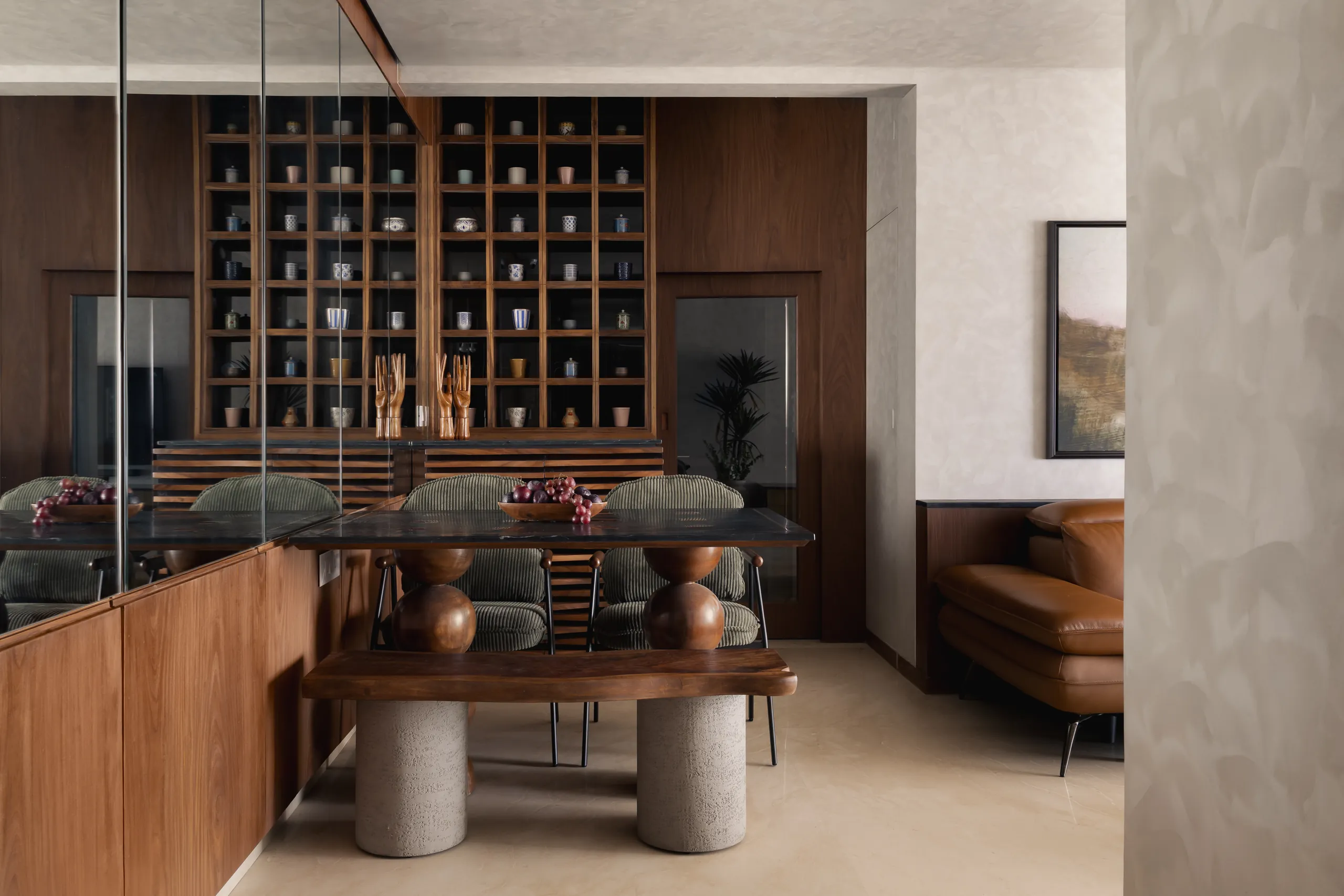
Reference images help us understand what you like. They do not tell us where your bag lands when you come home, whether you cook together or why the dining table is always covered in work.
A useful brief includes those ordinary details. They are often the difference between a home that looks resolved and one that works.
describe a normal weekday
Walk through the day from waking to going to bed. Include coffee, school bags, deliveries, laundry, work calls and the places where you pause.
You do not need to write elegantly. A list of recurring actions is enough. Notice the awkward moments: two people trying to use one counter, shoes blocking a door or nowhere to put a wet umbrella.
describe a full weekend
Everyday life is only one part of the brief. How many people visit? Do they stay for a meal or overnight? Is furniture moved when you host?
Tell us what happens now and what you wish were easier. This helps us judge which spaces need to be fixed and which can change use.
make an inventory before buying storage
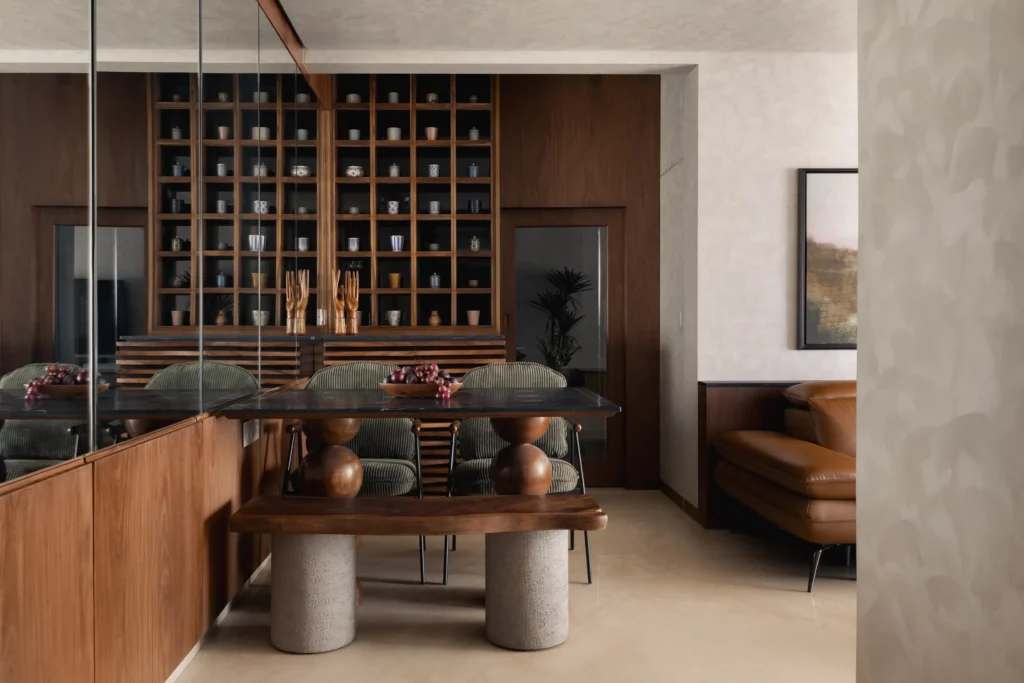
Measure the largest things you need to keep. Include luggage, appliances, sports equipment, cleaning tools and the objects you want on display.
“More storage” is too broad to draw. “A place for these suitcases that does not need a ladder” gives us a real design problem.
agree the priorities
Choose the few changes that will most improve daily life. More daylight at the dining table might matter more than a second feature finish. Easier kitchen access may matter more than an island.
Discuss trade-offs with everyone who lives in the home. A preference that stays unspoken can become a costly late change.
bring references with reasons
When you share an image, say what attracts you: the light, layout, material, colour or atmosphere. We may be able to achieve that quality without copying the room.
For Plum House, everyday habits and personal collections helped organise a compact renovation. Your home will have different habits. Finding them is the point of the brief.
include what you do not want to change
Tell us which parts of the current home already work. Keeping a familiar chair, a useful routine or a good storage arrangement can be a positive design decision. A brief should record those strengths alongside the problems you want the renovation to solve.
read next
Explore our home interiors work and the Plum House case study. For a related guide, read small apartment design lessons.