Raw brass asks you to accept change. It may arrive bright and reflective, then become quieter as people touch it and the surface responds to its surroundings. That is part of its appeal, but it should be a deliberate choice.
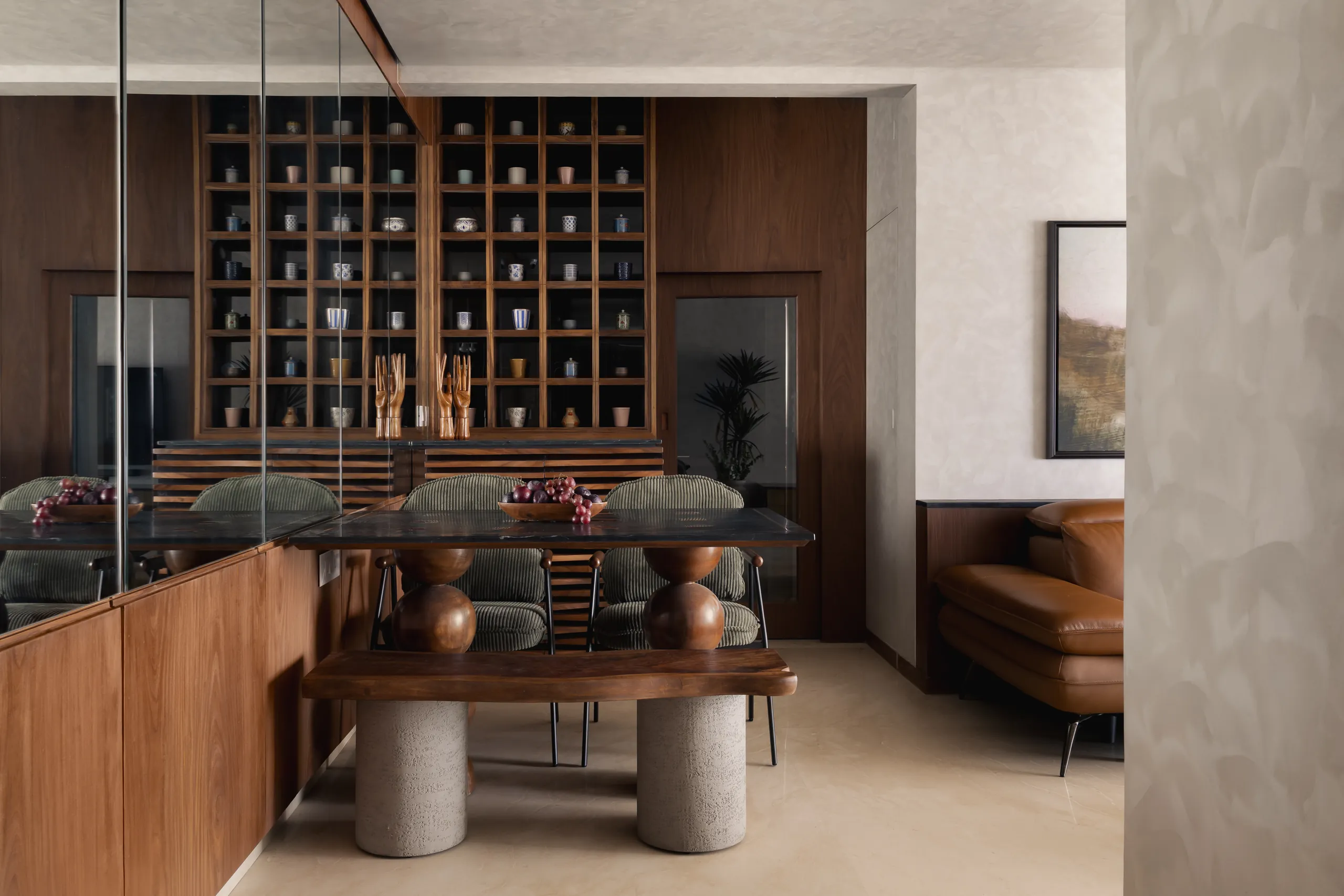
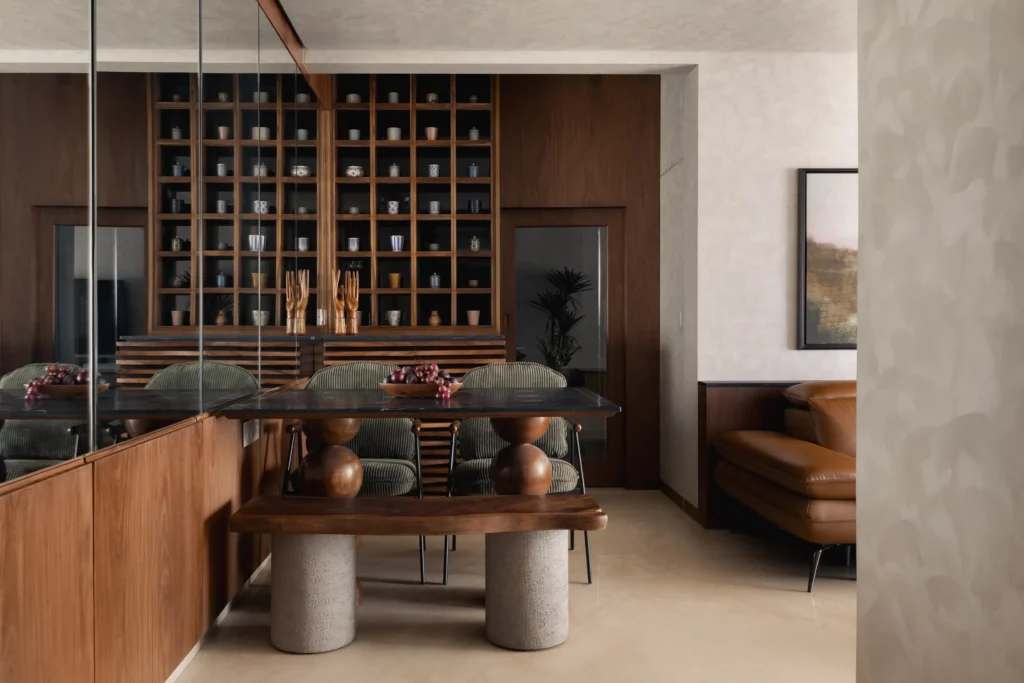
In Plum House, raw brass forms part of the material palette. The useful lesson is not that everyone should choose brass. It is that a sample should help you understand the surface you will live with after the first photographs.
establish what finish you are buying
“Brass finish” can describe solid brass, a plated surface, lacquered brass or a deliberately aged finish. These do not behave alike. Ask the supplier to identify the base material and the coating, and write both into the specification.
Hardware manufacturer Frank Allart describes unlacquered brass as a living finish. Its finish guidance is a useful reminder to check the specific product rather than assume all golden surfaces will age the same way.
accept uneven change
A handle that is touched every day may develop differently from an untouched panel. Cleaning habits, exposure and use can affect the appearance. If you need a consistent showroom colour, discuss a protected finish instead.
Avoid approving brass only from an image on a phone. Reflections can disguise its colour and surface. A physical sample is far more useful.
let the sample join everyday life
Keep a labelled sample somewhere you will see it often. Look at it beside the timber and stone you intend to use. Ask the supplier whether handling the sample represents how the finished piece will behave.
If you like only its newly polished state, decide whether you are willing to maintain that appearance. There is no point specifying a living finish and then being disappointed that it lives.
agree a care routine
Get written care instructions for the exact finish. Do not move a polishing method from one brass object to another without checking: a cleaner suitable for an uncoated piece may affect a coating or nearby stone.
Tell the fabricator which surfaces will be touched, exposed to water or used as seating. Edges, fixing and the materials below the brass need just as much attention as its colour.
use it where it matters
A small handle, a console or one carefully placed panel may be enough. Brass does not need to appear everywhere to connect a room. We would rather choose one useful element and resolve it well than repeat the finish without a reason.
read next
Explore our home interiors work and the Plum House case study. For a related guide, read lime plaster walls guide.