Storage is often described as a quantity: more cupboards, deeper drawers, another loft. In a small apartment, the more useful question is whether each thing has a place you can reach without making the room harder to use.
We begin with an inventory and the routes through the home. A cupboard that solves one problem but blocks a door has simply moved the problem.
count belongings by frequency of use
Separate daily, weekly and occasional items. Shoes, school bags and kitchen tools should not compete with luggage and festive decorations for the most accessible space.
Measure large objects before drawing storage. Include the item and the way it must be removed. A suitcase that fits inside a cabinet but cannot turn through its opening does not fit in practice.
protect the room's movement
Mark the doors, drawers and circulation routes on the plan. Check them in use, not only closed. A narrow passage may look clear until a wardrobe shutter opens.
Keep access to windows and service points. Storage should not make routine cleaning or repairs depend on dismantling furniture.
decide what should be visible
Open shelves make sense for objects you enjoy seeing. Closed storage is better for the everyday clutter you do not want to arrange.
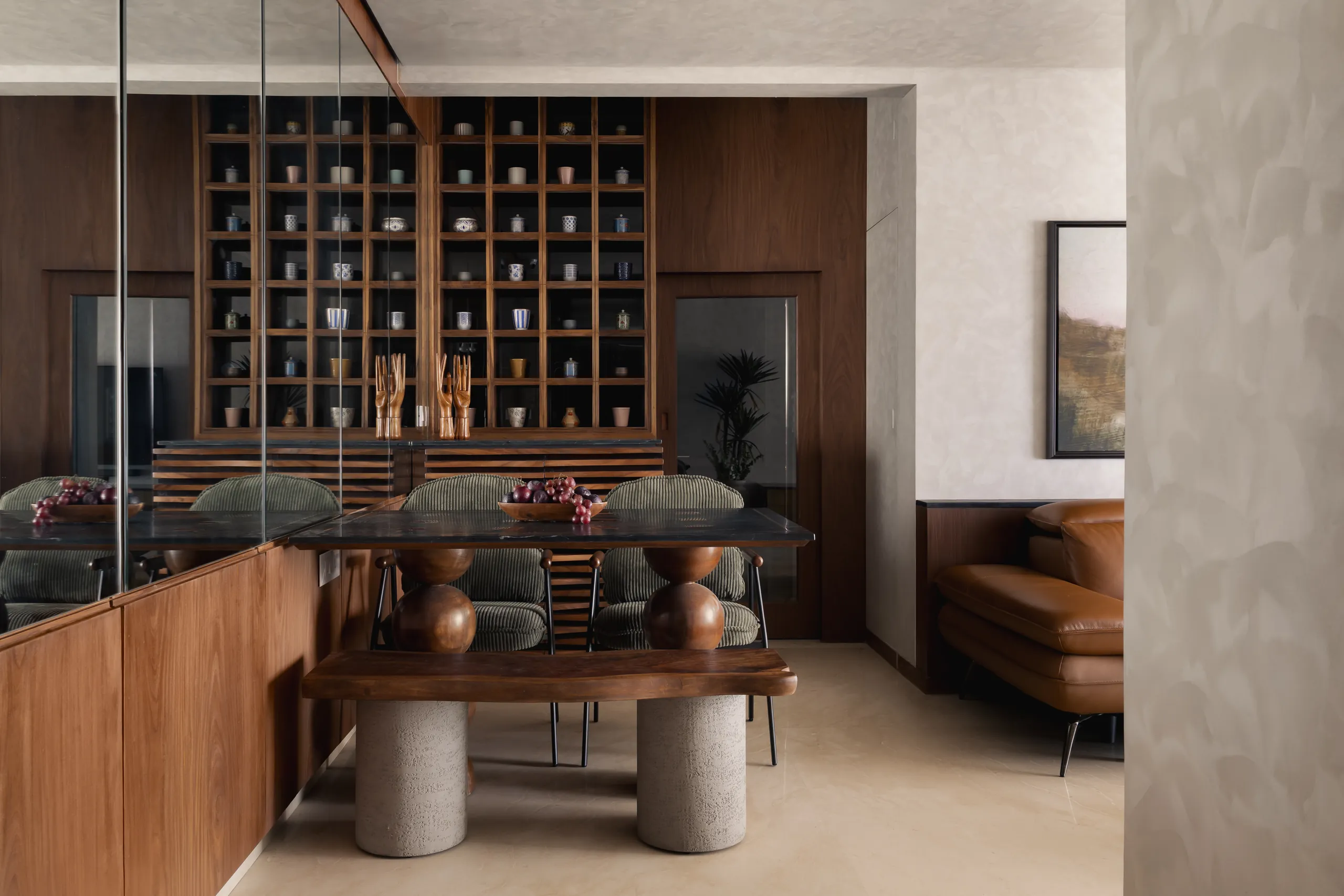
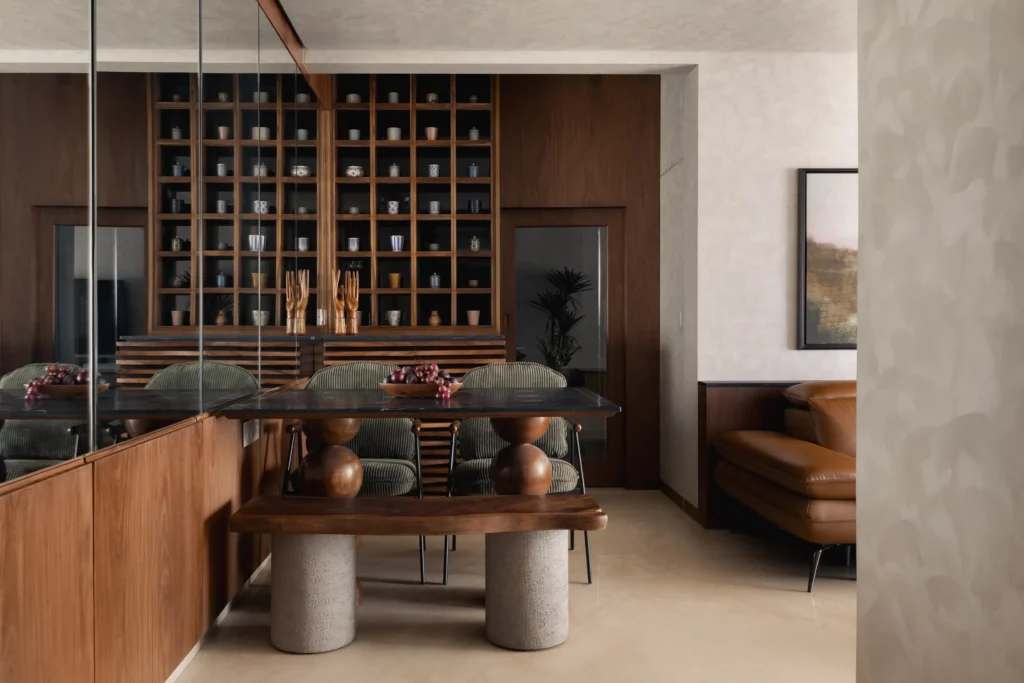
In Plum House, a collection of cups helped set the rhythm of a timber display wall. That is a different problem from hiding appliances or cleaning equipment. Treat display and utility as separate tasks, even if one piece of joinery contains both.
use multifunctional joinery carefully
A seat can contain drawers. A bed can include storage. A cabinet can divide two areas. But every extra function needs an access check.
If a drawer under a daybed requires moving a coffee table each time, put occasional items there. Everyday storage should not depend on rearranging the room.
do not fill every gap automatically
A little unoccupied wall or floor can make a small room easier to live in. Filling every recess may create a continuous block of joinery with nowhere for a chair, plant or future need.
Ask whether a built-in solves a known problem. If its only justification is that the space is available, it may not need to be built yet.
compare built-in and loose options
Built-in furniture can use an awkward dimension precisely. Loose furniture is easier to move, replace or take to another home. Neither is always the better choice.
Choose fixed joinery where the fit and function justify it. Keep flexibility where the household may change. Do not assume that custom work is automatically cheaper than a ready-made piece.
leave a little room for change
Collections grow, children need different equipment and work habits change. Include adjustable shelves where useful, but avoid vague excess capacity at the cost of the room itself.
A practical storage brief lists objects, access needs and the places where clutter currently accumulates. That helps us design enough storage in the right locations, rather than simply adding more.
read next
Explore our home interiors work and the Plum House case study. For a related guide, read small apartment design lessons.